Costco Don's draft

Introduction
Costco Wholesale Corporation continues to demonstrate exceptional performance in 2025, reinforcing its position as a leading global membership warehouse retailer. With a robust business model built on membership fees, private label strength, and operational efficiency, Costco has successfully navigated economic challenges while maintaining growth. In this report, I'll analyze Costco's current operating performance, highlighting key drivers behind its success, competitive positioning, and response to market challenges. Costco represents a company with durable competitive advantages and consistent execution, though current valuation metrics suggest careful consideration of entry points is warranted.
Business Model and Competitive Moat
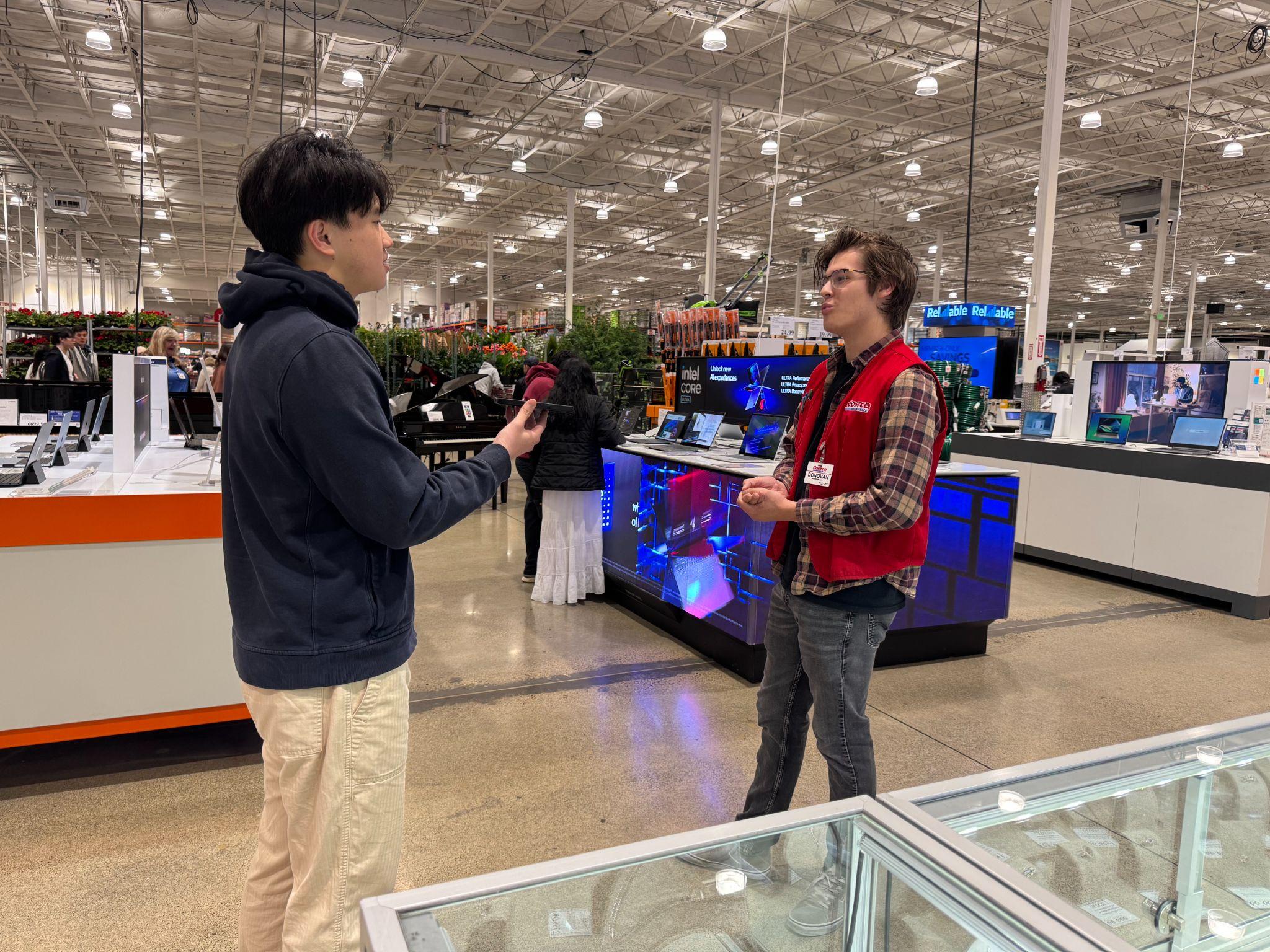
Costco's enduring success stems from its differentiated business model characterized by three key elements. First, its membership-based revenue engine generates high-renewal fees with rates exceeding 90% in the US/Canada and global markets (92.7 and 90.4 respectively), creating a stable income stream that subsidizes low merchandise margins. This membership model contributes approximately 2% of revenue but accounts for roughly 73% of gross profit, allowing member loyalty but potentially scaring new, impulse, or infrequent buyers1. Second, Costco's operational efficiency is driven by a curated selection of approximately 4,000 SKUs (usually several tens of thousands), enabling bulk purchasing, lower costs, and high inventory turnover (crucial for organic products which spoil easily). Four out of seven interviewees hoped for more variety in SKU however, creating a disconnect between perceived and true motivations of Costco’s limited SKU strategy. The company maintains stringent discipline on margins, with internal policies limiting product profit to no more than 15%. This doesn’t mean Costco items are cheap though as many customers we interviewed said “(they) spend more than (they) plan whenever they shop” and “there aren’t many alternatives” i.e. Sam’s Club not being around in Seattle, but may face more competition in markets like China where e-retail and Sam’s club have a foothold1. Third, Costco's private label strength through Kirkland Signature drives both margin improvement and customer loyalty. Representing approximately 30% of sales, these products typically undercut national brands while maintaining premium quality, creating a powerful competitive moat that competitors struggle to replicate1 From our field study, we found consistently high ratings (80 90%) for Custco’s customer service. Major competitors such as Sam’s Club and BJ’s wholesale club can’t compare to Costco’s attention to detail. Roadshows sourced from outside suppliers are an integral part of getting new product variety to Costco’s members. During an interview with a Yamaha piano sales consultant in a Kirkland Costco, she describes Sam’s Club management versus Costco’s through negotiations for future roadshows: “Sam's came to us and said, we want to do Yamaha Road shows, like Costco does. And so there's a… big difference between working with people that are from Bentonville, Arkansas. and people that are from Kirkland, Washington. It was so crazy and so my boss would walk by my cubicle and it was like the veins were sticking out the side of my neck…because I was just getting so angry because it was so impossible to deal with. And so he'd come by and he goes, “Oh, having a meeting with Sam?”. Yes, so, no, Costco is fabulous, and like, the managers, like, when we come in to do these shows, they'd bend over backwards for us… I have nothing bad to say. nothing. They're very, very fine to work with”. All interviewed participants highlighted Costco’s value proposition—whether framed as the membership model, bulk purchasing, or consistently low prices and strong distribution. We can see the company-wide decisions are enacted with the customer in mind.
Financial Performance and Growth Trajectory
Costco's financial metrics demonstrate consistent strength across key indicators in 2025. reached 264.1 billion, representing a 5-year CAGR of 10-11%, while grew to 9.29 billion in 2024 with margins holding steady at 3.6%1. Net income increased to 7.37 billion, reflecting a net profit margin of 2.9%, and EPS grew by 16.9% year-over-year to 16.561. The company continues to generate robust free cash flow, with 6.63 billion in 2024 and a 5-year total of approximately 22.25 billion1. This financial firepower enables Costco to reinvest in growth initiatives, maintain price leadership, and return capital to shareholders through dividends and occasional special distributions. Despite macroeconomic headwinds including inflation and rising tariffs, Costco has successfully leveraged its scale and supplier relationships to mitigate price increases, maintaining its value proposition for members while preserving margins through strategic negotiations and flexible sourcing strategies2 . Although long lines faced by customers in return lines, parking challenges in parking lots (especially on weekends and holidays), and some frustration to disappearing favorite SKU items, Costco still offers generous return policies, transfers savings to members through weekend labor cuts (weekends have bonuses), and created high loyalty through its membership model. From our field study, we found an average 8.5/10 service rating and more than 60% of members expressing loyalty (some more implying loyalty from described repeated shopping behavior).
Strategic Initiatives and Market Challenges
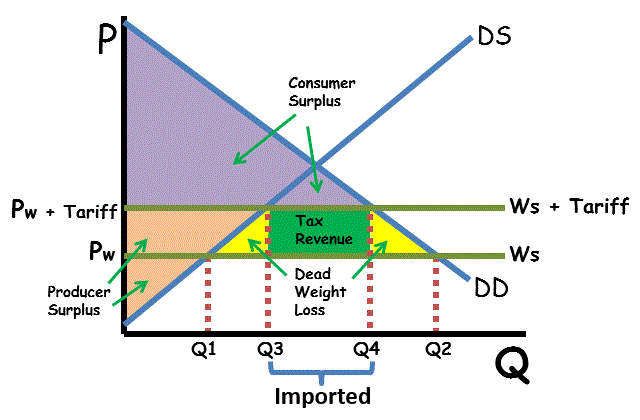
: Producers surplus increases, consumer face higher prices (falling consumer surplus), government gets money, foreign producer revenue make the equation (Q4-Q3)*P_w, Q4 = quantity sold with tariffs, Q3 = quantity produced by home country suppliers, P_w = original price if free trade occurred
Costco has implemented several strategic initiatives to address current tariffs and position itself for future growth without increasing prices. Costco either needs to pass tariff prices on to customers or absorb slimmer margins. The company has in the past proactively responded to uncertainty through supply chain innovation, including chartered container ships and diversified sourcing to minimize cost impacts during the 2021 global shipping crisis2. Today Costco has less than 2/5ths of it’s imports sourced from China. In 2025, Costco has maintained its commitment to value, with CEO Ron Vachris emphasizing that price increases will be minimized to maintain membership value, instead looking to make deals and leverage superb supplier relations2. The company continues to enhance its e-commerce capabilities, with digital sales growing 12.6% in early 2025, though it balances online expansion with protecting in-store traffic and margins1. UBS analyst Michael Lasser calls Costco and Walmart’s current strategy the most flexible retailers to handle tariffs1. Costco uses it’s “treasure-hunt” expert buyers to find alternatives across categories and increase inventory over non-food items this past year, expecting high sales volume. Additionally, the company is strengthening its private label portfolio by expanding Kirkland Signature into new categories and improving product quality to drive member loyalty and differentiate from competitors. , we cannot expect certainty in these volatile times (). These initiatives demonstrate Costco's ability to adapt to changing market conditions and simultaneously maintaining its core value proposition
Conclusion
In conclusion, Costco's operating performance in 2025 reflects the strength and resilience of its unique business model. The company's membership-based approach, operational discipline, and private label strategy continue to create significant competitive advantages that translate into strong financial results. Despite facing headwinds from inflation, tariffs, and intense competition, Costco has demonstrated its ability to adapt while maintaining its commitment to member value.
Financial Data
Income Statement
Item | 2020 | 2021 | 2022 | 2023 | 2024 |
|---|---|---|---|---|---|
Revenue (USD bn) | 163.22 | 195.93 | 226.95 | 242.29 | 254.45 |
Growth | – | 20.0% | 15.8% | 6.8% | 5.0% |
Membership Fees (USD bn) | 3.54 | 3.88 | 4.22 | 4.58 | – |
COGS (USD bn) | – | 170.68 | 199.38 | 212.59 | 222.36 |
Gross Profit (USD bn) | – | 25.25 | 27.57 | 29.70 | 32.10 |
Gross Margin | – | 12.9% | 12.1% | 12.3% | 12.6% |
SG&A (USD bn) | – | 18.54 | 19.78 | 21.59 | 22.81 |
Operating Profit (USD bn) | – | 6.71 | 7.79 | 8.11 | 9.29 |
Op. Margin | – | 3.4% | 3.4% | 3.3% | 3.7% |
Net Income (USD bn) | 4.00 | 5.01 | 5.84 | 6.29 | 7.37 |
Net Profit Margin | 2.5% | 2.6% | 2.6% | 2.6% | 2.9% |
EPS (USD) | – | 11.27 | 13.14 | 14.16 | 16.56 |
EPS Growth | – | – | 16.6% | 7.8% | 16.9% |
Dividend per Share (USD) | – | – | – | 0.90 | – |
Balance Sheet Highlights | |||||
Item | 2020 | 2021 | 2022 | 2023 | 2024 |
--- | --- | --- | --- | --- | --- |
Net Cash & Investments (excl. equity inv.) (USD bn) | 11.26 | 12.18 | 11.05 | 15.23 | 11.14 |
Cash & Cash Equivalents (USD bn) | 11.26 | 11.26 | 10.20 | 13.70 | 9.91 |
Short-term Investments (USD bn) | – | 0.92 | 0.85 | 1.53 | 1.24 |
Total Debt (USD bn) | – | 10.13 | 9.04 | 8.88 | 8.27 |
– Short-term Debt (USD bn) | – | 0.80 | 0.07 | 1.08 | 0.10 |
– Long-term Debt (USD bn) | – | 6.69 | 6.48 | 5.38 | 5.79 |
Current Operating Assets (excl. cash) (USD bn) | – | 16.02 | 20.15 | 19.14 | 21.37 |
– Receivables (USD bn) | – | 1.80 | 2.24 | 2.29 | 2.72 |
– Inventories (USD bn) | – | 14.22 | 17.91 | 16.65 | 18.65 |
Current Liabilities excl. Debt (USD bn) | – | 28.64 | 31.93 | 32.50 | 35.36 |
– Payables (USD bn) | – | 16.28 | 17.85 | 17.48 | 19.42 |
PPE & Fixed Assets (USD bn) | – | 26.38 | 27.42 | 29.40 | 31.65 |
Deferred Tax Assets/Liabilities (USD bn) | – | 3.38 | 4.05 | 3.72 | 3.94 |
Minority Interest (USD bn) | – | 0.51 | 0.01 | 0.00 | 0.00 |
Shareholders’ Equity (USD bn) | – | 17.56 | 20.64 | 25.06 | 23.62 |
Common Shares Outstanding (mn) | – | 441.83 | 442.66 | 442.79 | 443.13 |
Total Assets (USD bn) | – | 59.27 | 64.17 | 68.99 | 69.83 |
Cash Flow | |||||
Item | 2020 | 2021 | 2022 | 2023 | 2024 |
--- | --- | --- | --- | --- | --- |
Operating Activities | - | - | - | - | - |
Net Income | – | 5.08 | 5.92 | 6.29 | 7.37 |
Depreciation & Amortization (D&A) | – | 1.78 | 1.90 | 2.08 | 2.24 |
Change in Working Capital | – | 1.00 | –1.56 | 1.02 | 0.61 |
Net Cash from Operating Activities | – | 8.96 | 7.39 | 11.07 | 11.34 |
Investing Activities | - | - | - | - | - |
Capital Expenditures (CapEx) | – | –3.59 | –3.89 | –4.32 | –4.71 |
Net Cash from Investing Activities | – | –3.54 | –3.92 | –4.97 | –4.41 |
Financing Activities | - | - | - | - | - |
Dividends Paid | –1.48 | –5.75 | –1.50 | –1.25 | –9.04 |
Share Buybacks | – | –0.50 | –0.44 | –0.68 | –0.70 |
Net Cash from Financing Activities | – | –6.49 | –4.28 | –2.61 | –10.76 |
Net Change in Cash | – | –1.07 | –0.81 | 3.48 | –3.83 |
Free Cash Flow | – | 5.37 | 3.50 | 6.75 | 6.63 |
Competitor and Product Analysis
Major Competitors
Costco faces competition from several segments: Other Membership Warehouse Clubs
Sam’s Club (Walmart) – Costco’s closest rival, also membership-based
BJ’s Wholesale Club – Membership warehouse club focused on the U.S. East Coast
Major General-Merchandise Retailers
Walmart – World’s largest retailer, broad assortment & low-price strategy
Target – Upper-middle-market focus, emphasis on customer experience
Kroger – One of the largest grocery chains in the U.S.
E-commerce Giants
Amazon – Online retail leader, vast selection & fast delivery
Other Competitors
Supermarkets and supercenters
Discount and hard-discount retailers
Department and specialty stores
Gasoline station convenience stores
Single-category or niche merchandisers
Dimensions of Competition
Price – Low-price through bulk purchasing
Product Quality & Selection – Curated, high-quality SKUs
Location – Strategic warehouse locations
Convenience – One-stop shopping experience
Fulfillment Strategy – Blend of brick-and-mortar & e-commerce
Customer Service – Focus on member satisfaction
Comparison with Major Competitors
Costco vs. Sam’s Club Similarities: Both are membership warehouse clubs; bulk packaging; member-only pricing
Differences:
Sam’s leverages Walmart’s supply chain
Tiered membership (Plus vs. standard) with similar pricing
“Scan & Go” self-checkout feature
Expanding private-label “Member’s Mark” akin to Kirkland Signature
Costco vs. Amazon Similarities: Broad product range; customer-centric
Differences:
Amazon is purely online; Costco mainly brick-and-mortar
Amazon’s broader selection; Costco’s curated focus
Ecommerce margins lower but growing for Costco
Costco vs. Walmart Similarities: Competitive pricing emphasis
Differences:
Walmart serves general consumers; Costco focuses on members
Walmart has more formats (Supercenters, Neighborhood Markets)
Walmart’s omni-channel investments (buy online, pick up in-store)
Competitive Response Strategies
Expand Kirkland Signature penetration
Uphold membership value to drive renewals
Cautious e-commerce growth
International expansion into under-penetrated markets
Maintain price leadership via bulk purchasing and efficiency
Future Competitive Trends
Intensifying e-commerce rivalry
Rapid tech adoption (AI, data analytics) by competitors
Growth of private labels across the industry
Member-experience differentiation as a key battleground
Relative Advantages
Membership Business Model
Stable, high-margin revenue from membership fees
U.S./Canada renewal rate ≈ 92.7%; global ≈ 90.4%
Executive members (45.4% of total) generate ~72.8% of sales
Operational Efficiency
Limited-SKU strategy (~4,000 SKUs vs. tens of thousands)
No-frills warehouse layout; low overhead
High inventory turnover through bulk sales
Moderately shorter hours (~70 hrs/week) to control labor costs
Tight entry/exit controls to reduce shrinkage
Pricing & Procurement Advantages
Scale-driven supplier leverage
Bulk packaging reduces handling costs
Lower markup (~10–15%) vs. other retailers (~20–25%)
Private Label Strength
Kirkland Signature: high quality at national-brand prices
Higher margins vs. national brands
Differentiation and member value proposition
Integrated Service Ecosystem
In-warehouse services (fuel stations, pharmacies, optical, food court)
Complementary businesses: e-commerce, business services, travel
Member Experience & Value Proposition
Consistent low-price pledge
Generous return policy
Clear value messaging to members
Supply-Chain & Vendor Relationships
Direct sourcing from manufacturers
No overreliance on a single supplier
Agility to switch sources when needed
Competitive Advantages
Membership Model: Core to stable income & loyalty; membership fees ≈ 2% of revenue but ~73% of gross profit.
Private Label – Kirkland Signature: Flagship private label with strong quality and margins.
Limited SKU Strategy: Curated offering enables bulk pricing power.
Bulk Sales Model: Attracts families & small businesses; increases average transaction size and lowers per-unit logistics cost.
Relative Disadvantages
Limited Product Selection
~3,700 SKUs vs. tens of thousands elsewhere
“Less but better” limits one-stop needs
Location & Convenience
Fewer stores, often in suburban/edge-of-town locations
Parking congestion, especially on weekends/holidays
Membership Barrier
Annual fee required to shop
Less suitable for infrequent or impulse shoppers
Bulk-Only Shopping Format
Large-package requirements may not suit small households
Storage constraints for urban apartment dwellers
Localization Challenges in China
Reliance on global supply chain vs. local preferences
Large-package format less aligned with urban Chinese shoppers
Operational Rigidities
Risk of stockouts on hot-selling items
Sudden delisting of “favorite” SKUs frustrates members
Relative Price Advantage
Low per-unit cost but high total spend due to bulk
Membership fee adds to overall cost
Chinese e-tail discount wars can undercut perceived low cost
Investment Opportunity Analysis
Company Overview Costco Wholesale Corporation (NASDAQ: COST), founded 1983, is headquartered in Issaquah, WA. CEO: Ron M. Vachris (since Feb 2022).
CEO Ron Vachris Interview Kirkland Private Label
Internal policy caps any product’s profit margin at 15%, and all other merchandise at 14%.
Costco buyers’ bonuses are tied to sales volume—for example, if an item generates $4,000 of weekly sales per warehouse, the buyer receives a bonus. This shifts buyer incentives toward high-velocity products.
Kirkland’s evolution: Buyers know every ingredient in a product. If a market price (e.g., coffee) is falling while national brands raise theirs, Costco creates a price-gap opportunity. Buyers analyze costs, identify aligned manufacturing partners, and then propose the item for Kirkland.
Final product approval lies with CEO Ron Vachris.
Costco’s Core Merchandising Strategy
Ron Vachris insists every Kirkland SKU have a clear differentiation to win market share.
Example: A bacon-egg-cheese breakfast sandwich with protein content matching big-brand competitors. Costco asked: “How do we exceed that protein level?” Since bacon delivers the most member value, Costco sourced bacon with 40% more protein from its supplier.
Kirkland Growth Targets
Kirkland’s share of revenue is still growing toward roughly one-third of total sales, but Costco will not rush its expansion to avoid overloading employees.
They aim for organic growth as category buyers deeply research their lines and proactively uncover new opportunities.
As buyers gain experience, Kirkland’s value proposition strengthens, attracting new members with high-quality products.
There is further potential in new categories—e.g., sushi and other innovations to spark member curiosity and loyalty.
Buyer Commitment
Costco buyers leverage Kirkland development to negotiate more effectively with suppliers.
They stay deeply versed in production details, understanding why products are made each way.
Costco Product Adjustments
When Kirkland razors couldn’t match national-brand quality, Costco chose not to push them.
In consumer electronics, they haven’t found a manufacturing partner meeting Kirkland’s standards—but per the CEO, they won’t give up until they do.
On U.S. Tariffs under the Trump Administration
Protecting Member Value
Costco has used its supplier relationships to absorb tariff impacts and keep shelf-prices steady.
“Raising prices would hurt growth,” Ron Vachris says.
UBS analyst Michael Lasser calls Costco and Walmart the most flexible retailers to handle tariffs.
Adaptive Logistics
In September 2021, Costco chartered three container ships and “thousands” of containers to insulate against the global shipping crisis.
CFO Gary Millerchip notes members feel inflationary pressure and tariff impacts on many categories.
Today, roughly one-third of U.S. sales are imports from Mexico, Canada, and China—less than half from China.
Tariff Policy Background (2025) From February 2025, the U.S. imposed a 10% tariff on Chinese imports—later raised to 20%. This drove up import costs for U.S. retailers, including Costco.
Supply-Chain Impact Cost Increases: About one-third of Costco U.S. sales are foreign imports; tariffs directly raised costs on Chinese goods.
Supplier Pressure: Costco asked Chinese suppliers to cut prices to offset the 20% tariff, prompting pushback and regulatory scrutiny in China.
Sourcing Shift: Costco accelerated purchases from lower-tariff countries and used its “treasure-hunt” merchandising flexibility to find alternatives across categories.
Pricing Effects Experts expect some prices to rise in summer 2025 due to tariffs.
EatThis,NotThat! identified 11 Costco items (furniture, electronics, apparel, appliances, canned foods, etc.) likely to go up in price.
In its earnings call, Costco noted electronics margins would soften, though its performance remains stronger than the overall market.
Operational Impact April 2025 net sales still reached $21.18 billion (+7% YoY), with e-commerce up 12.6% YoY.
Tariffs squeezed core margins by about 8 basis points in Q2 2025.
Non-food buying teams increased inventory over the past year to support sales momentum.
Costco’s Response Supplier Collaboration: Working with suppliers to optimize costs and avoid direct price hikes.
Private-Label Strengthening: Pushing Kirkland Signature—e.g., vertically integrating egg procurement—to better control costs.
Flexible Pricing: Actively lowering prices on select Kirkland items (refined olive oil, organic peanut butter, tortilla chips) ahead of members.
Localized Sourcing: Expanding local procurement globally, such as China-made Kirkland water, saving members over 20% per bottle.
Overall, 2025 tariffs brought cost pressures, supplier-relations strain, and pricing challenges. Costco has met them with agile product strategies, private-label reinforcement, and localized supply-chain optimization to sustain its competitive edge.
Hopes of a truce in volatility On June 10thm Li Chenggang, vice-minister of commerce, said talks were “rational, in-depth and candid” Waiting on Trump and Xi to approve the two sides Commerce secretary Howard Lutnicka says the framework would be implemented after approval Previous ban on “Chinese students using our colleges and universities” Both countries slashed by 115 before and this is a continuation of the 90-day ceasefire to end the tradewar “Chinese exports to the US fell more steeply in May compared with a year earlier than at any point since the pandemic in 2020.”
Facts and figures Trump’s report is that American tariffs chinese goods will increase to 55% and Chinese tariffs would reach 10%, blanketed over all american goods
Field Study
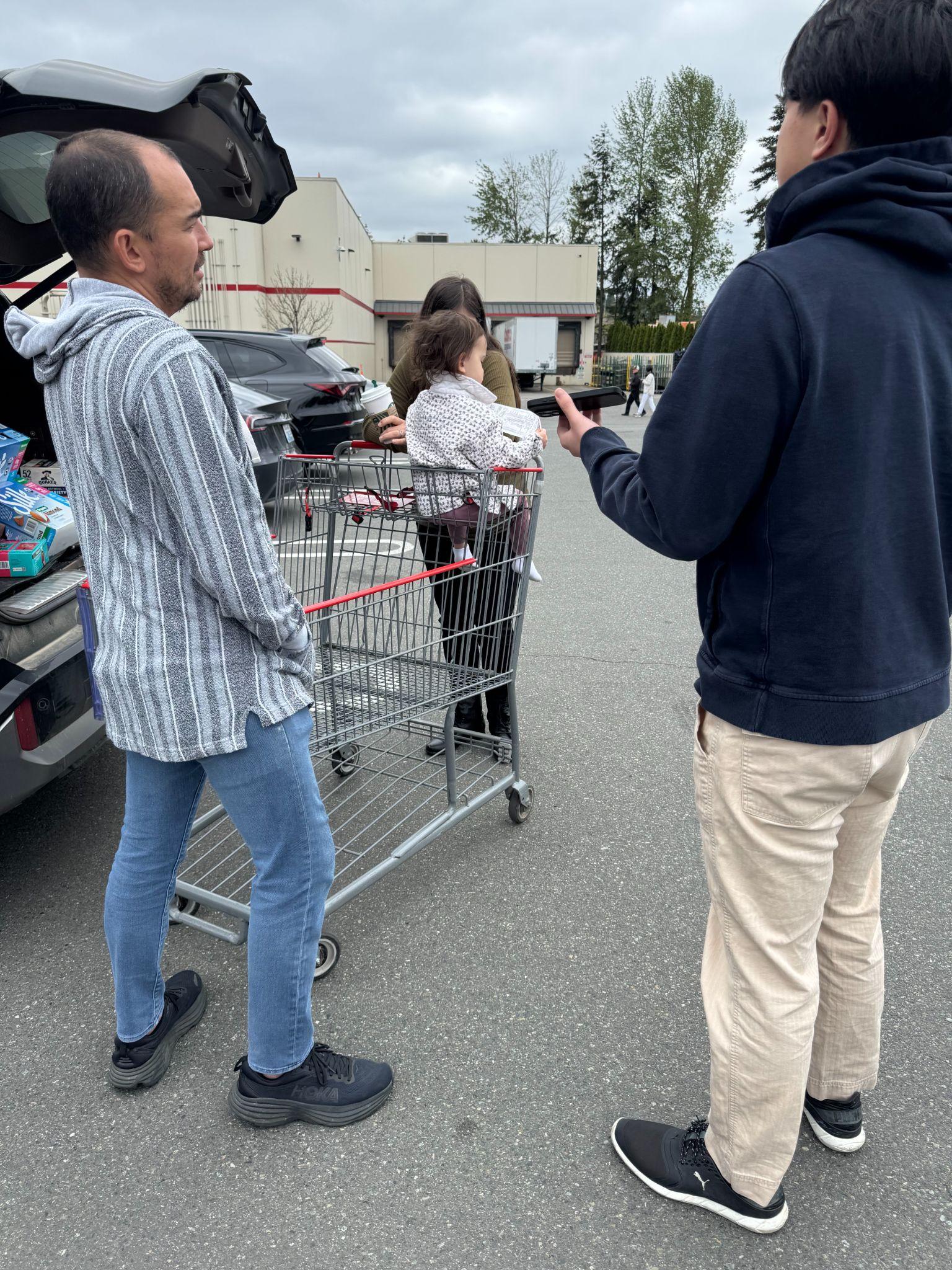
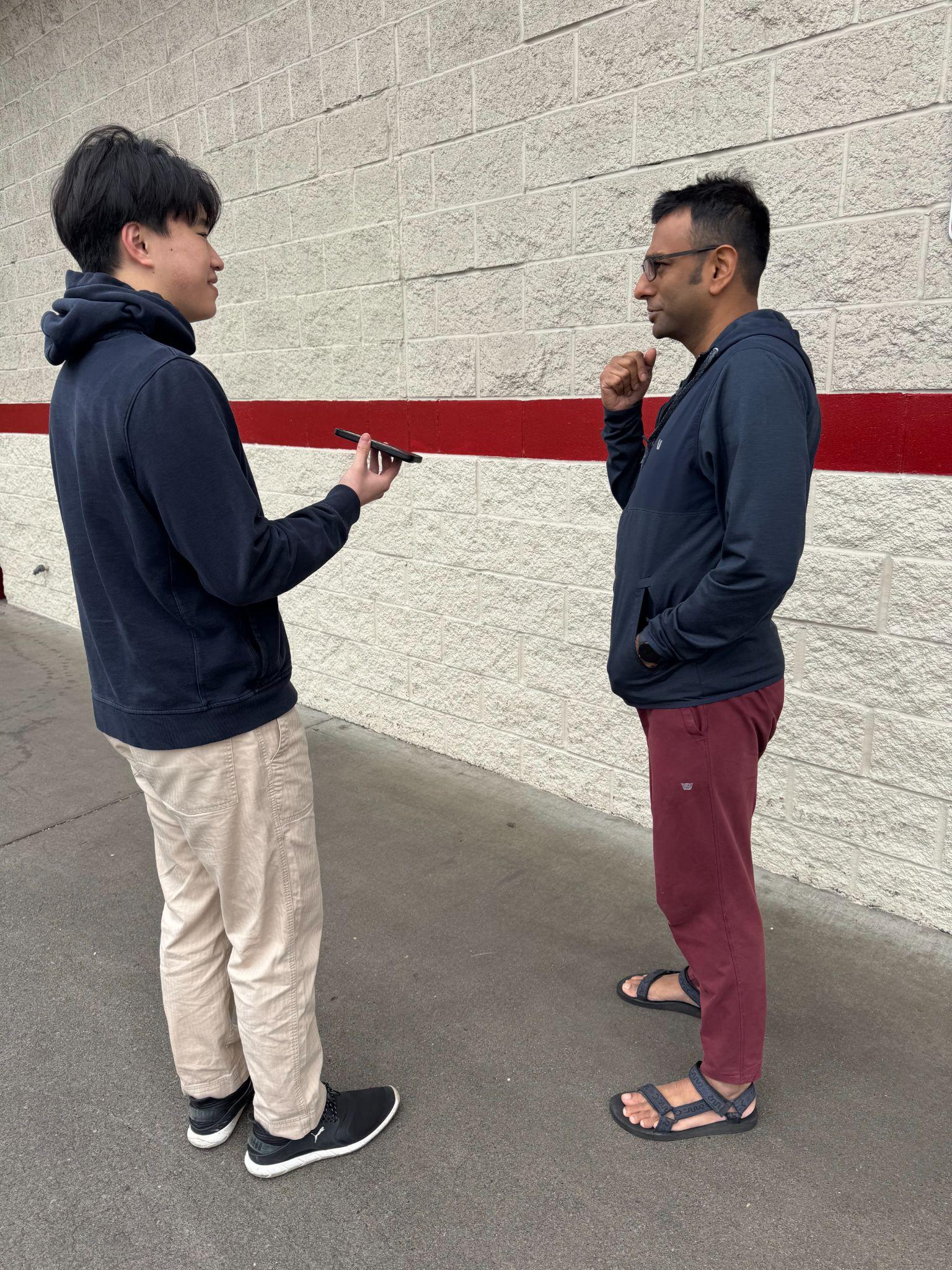
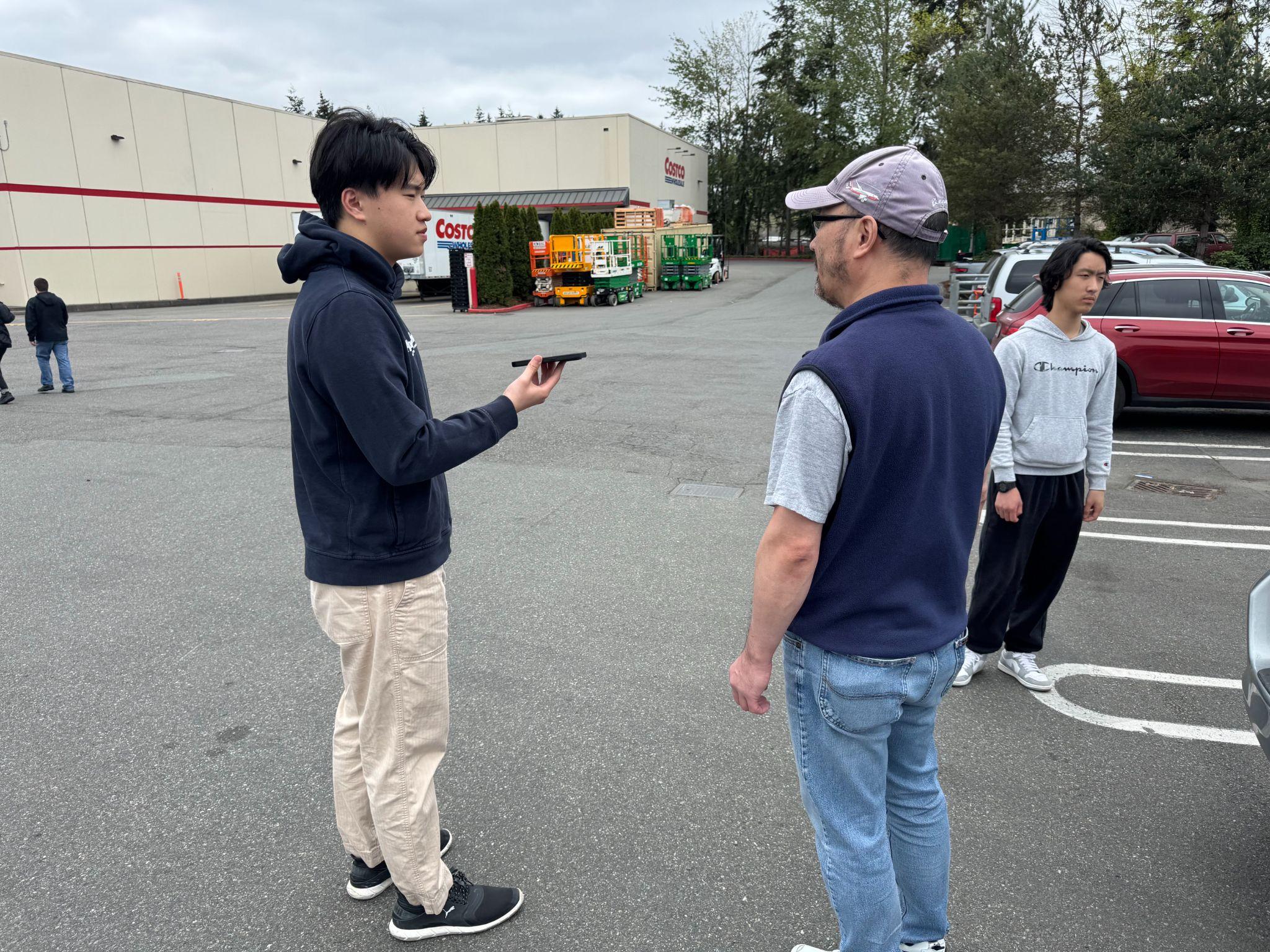
Interviewer: Don Interviewee: Middle-Aged Korean Man Costco Shopper Don: What do you think is Costco’s biggest strength? Interviewee: The membership model. Don: On a scale of 1 – 10, how would you rate their service? Interviewee: Nine. Don: How about last year? Interviewee: About the same. Don: Is the product variety and quality adequate, or should Costco offer more options? Interviewee: The quality is good. I’d like to see more choices, but that would mean higher prices. Costco buys in batches, so not everything is always available, and the selection changes each year—that’s their purchasing power at work. Don: Have you noticed any technological improvements at Costco, given the rise of AI? Interviewee: I haven’t noticed any. They’re a traditional company, so adoption is slow. Don: What new item is your current favorite? Interviewee: I don’t really look for new items. I usually buy essentials, and those haven’t changed much over the years. Don: Do you see any weaknesses at Costco? Interviewee: They’re probably too big. Once a company reaches a certain size, change becomes difficult. Still, they’re doing fine for a traditional company of their scale. Don: Thank you for your time. Interviewee: My pleasure. Interviewer: Don Interviewee: Middle-Aged Chinese Man Don: What do you think is Costco’s biggest strength? Interviewee: Offering good products at reasonable prices for the whole family. Don: How would you rate their customer service on a scale of 1 – 10? Interviewee: Eight. Don: Has that changed in the past two years? Interviewee: No, it’s stayed the same. Don: What do you see as Costco’s biggest weakness? Interviewee: I always spend more than I plan whenever I shop there. Don: Would you like Costco to offer more variety or less? Interviewee: Rotate new items at a reasonable pace—something fresh every few months. Don: Do you feel loyal to Costco compared with other retailers? Interviewee: Yes. There aren’t many alternatives, so I’ll stay loyal. Don: What’s your favorite new item they’ve introduced? Interviewee: Any Asian products they bring in. Don: Thanks for your time. Enjoy the rest of your day. Interviewee: Thank you. Interviewer: Don Interviewee: Twenty-Year-Old Chinese Man Don: What do you think is Costco’s greatest strength? Interviewee: Buying in bulk. If you like a product, you can get it for less. Don: How would you rate Costco’s customer service? Interviewee: It’s good. They make sure customers aren’t overcharged. Don: Has their service improved over the past two years? Interviewee: I’m not sure—I don’t remember well enough to say. Don: Would you prefer Costco to offer more or fewer product choices? Interviewee: Keep it about the same. More variety could mean higher prices. Don: What is Costco’s biggest weakness? Interviewee: The membership fee is steep. People who haven’t shopped there may hesitate to join, even though the fee is central to Costco’s business model. Don: Do you feel loyal to Costco? Interviewee: Yes, I do. Don: What new item have you enjoyed recently? Interviewee: Their sausages—big fan of those Aidells-style packs. Interviewer: Don Interviewee: Costco Electronics Associate Don: Costco raised wages in 2024. Has that motivated employees to give better service or to work less? Associate: In the Pacific Northwest the effect is small. Living costs are high, and the raise was only about 1 for entry-level and top-tier positions. I’ve been here a year, still at 20/hour, and won’t see that raise for about three years. It helps newcomers, but not those in the middle. Don: How would you rate store management? Associate: It varies by warehouse. Under-staffing is the main issue—if someone calls out, we pull people from other departments. I’m trained in four areas and expected to do everything because the company just isn’t hiring enough. Don: On a scale of 1 – 10, how effective is the training? Associate: Maybe a 4. Training is sink-or-swim. If you get a good trainer, you learn; otherwise you figure it out on the floor. My first day was a busy Saturday—I was thrown right in. Don: How is the social atmosphere among employees? Associate: Coworkers get along well. We hang out after work on our own, not through Costco. The camaraderie helps offset the rough work environment. Don: Thanks for sharing your perspective. Associate: You’re welcome. Interviewer: Don Interviewee: Yamaha Piano Vendor (Costco Roadshow Consultant) Don: How many grand pianos do you typically bring to a Costco roadshow? Vendor: About a dozen, covering price points Costco believes fit its customer base. Don: Costco’s negotiated prices are far below MSRP. How does Yamaha still profit? Vendor: Margins are slimmer, but the roadshow is first-rate marketing. A customer’s piano at home prompts friends to visit a Yamaha dealership later. We also save on rent and overhead because Costco provides the sales floor. Don: What share of each sale goes to Costco? Vendor: Instead of charging rent, Costco takes a percentage of the register price. We have to sell enough to justify the pallet space we occupy. Don: Tariffs are rising. How does that affect your annual pricing contract with Costco? Vendor: Costco wants a one-year price guarantee, but volatile tariffs make that almost impossible. Yamaha and Costco are already renegotiating future shows because no one can predict landed costs. Don: Where are Yamaha pianos built, and how does that influence tariffs? Vendor: Digital instruments are assembled in Indonesia. Many acoustic models use Japanese components but are cased and finished in Indonesia, which keeps tariffs lower than shipping from Japan. Unfortunately, Yamaha is closing the Indonesian woodworking plant on March 31, so production may shift back to Japan—or to China, which would attract higher U.S. duties. Don: How would you describe working with Costco’s management? Vendor: Outstanding. Managers bend over backwards for us, employees enjoy the music, and teardown crews help move every piano. Compared with my past experience negotiating with Sam’s Club, Costco is night-and-day easier. Don: What does a typical roadshow schedule look like? Vendor: Ten-day runs—from Friday opening to the following Sunday night—in each warehouse once a year, sometimes twice in high-performing clubs such as Kirkland and Woodinville. Teams rotate by region; ours covers Seattle, Portland, Bend, and Las Vegas. Don: How does the roadshow atmosphere differ from a traditional piano store? Vendor: Costco shoppers are curious and relaxed; many wouldn’t step into a dealership. Seeing and trying the instruments here lets them fulfill a lifelong wish to play. The joy is tangible—we’ve had customers hug us after buying their first piano. Don: Any final thoughts on the Costco-Yamaha partnership? Vendor: Both companies value the relationship and will do everything possible to keep the roadshows going, despite tariff and manufacturing challenges. The model works: customers win on price, Costco earns percentage revenue, and Yamaha plants seeds for future sales. Interviewer: Don Interviewee: Middle-Aged Middle Eastern Woman Don: What do you think is Costco’s greatest strength? Interviewee: Low prices and a strong distribution network, with branches all over the world. Don: What is Costco’s biggest weakness? Interviewee: It doesn’t really target small families; most products come in large quantities. Don: How would you rate their customer service on a scale of 1 – 10? Interviewee: Eight. Don: And two years ago? Interviewee: About a six. Don: What do you think of Costco’s newer product lines? Any favorite recent item? Interviewee: I like that they rotate inventory and add practical everyday items, though no single product stands out. Don: Would you prefer Costco to expand or narrow its assortment? Interviewee: Expand—more diverse options would be welcome. Don: Thanks for your time. Interviewee: You’re welcome. Have a good day. Interviewer: Don Interviewee: Middle-Aged Pakistani Man Don: What do you like most about Costco? Interviewee: Competitive prices, a wide variety of items, and plenty of organic options. Don: How do you feel about their current product line? Would you prefer more choices? Interviewee: It’s already good. They keep updating items, so I’m satisfied with the selection. Don: How would you rate Costco’s customer service? Interviewee: About 3 out of 5. I mainly deal with the returns desk and often wait in long lines. Don: Has customer service improved in recent years? Interviewee: I’m new to the area, so I can’t compare. Don: What new product have you discovered and liked? Interviewee: A performance pant in the textile section—comfortable and well-made. I keep checking for more sizes and colors. Don: If you could change one thing about Costco, what would it be? Interviewee: Advance notice on which products are arriving soon and which are about to disappear. Don: Does the membership fee make you feel loyal to Costco? Interviewee: Yes. My family shops here regularly because of it. Don: Thanks for your insights. Interviewee: You’re welcome—have a good day. Interviewer: Don Interviewee: Hearing-Center Front-Desk Employee (Young Woman) Don: Costco raised wages in 2024. Has that change motivated employees to give better service or pick up more hours? Employee: The raise mainly benefited new hires. Long-time employees like me didn’t feel it, so it hasn’t really changed anyone’s commitment to extra hours or service quality. Don: How would you rate store management on a scale of 1 – 10? Employee: Four. Don: Does Costco provide enough training for you to succeed? Employee: Resources exist, but in specialized areas you’re often thrown in and expected to figure things out. You need someone to show you how to navigate those resources. Don: How is the social atmosphere with coworkers? Employee: Great. The coworkers and overall environment are the best part of the job. Don: Thanks for your time. Employee: Thank you. Interviewer: Don Interviewee: Middle-Aged Indian Man Don: What do you think is Costco’s greatest strength? Interviewee: The value for money. Quality may be a bit below specialty stores, but prices are fair and the limited range makes decisions easy. Don: How would you rate their customer service? Interviewee: Very good—friendly and helpful. Don: Has it changed since last year? Interviewee: It feels the same: consistently good. Don: Would you like Costco to offer more product variety? Interviewee: No. Two to four items per category is ideal; ten choices just create indecision. Don: What is Costco’s biggest weakness? Interviewee: They move products around. If I return a month later, nothing is in the same spot and I have to hunt for it. Don: Have you bought any new items you enjoyed recently? Interviewee: Yes—Indian groceries like paneer and other specialty items, plus the frozen dumplings near the freezer section; great for the kids. Don: How do you find the parking? Interviewee: Generally fine, except Sunday afternoons when it’s crowded. Don: Thanks for sharing your thoughts. Interviewee: You’re welcome—have a good day. Interviewer: Don Interviewee: Middle Aged Caucasian Male Costco Shopper Don: What do you think is Costco’s biggest strength? Interviewee: Bulk quantities of many items at reasonable prices and decent quality. Don: How would you rate their customer service on a scale of 1 – 10? Interviewee: About 8.5. Don: Has it changed over the past two years? Interviewee: It’s roughly the same. Don: What’s one negative aspect of shopping at Costco? Interviewee: The crowds—it’s a madhouse. Carts everywhere, chaotic parking. I avoid weekends and try to come right at opening. Don: Would you like Costco to expand its product variety? Interviewee: Yes. More paleo, Whole 30, and organic options. Produce also needs improvement—it spoils quickly. Don: What’s the most interesting product you’ve bought recently? Interviewee: A $500 generator they had about two years ago that runs on gasoline, natural gas, or propane. Everything else I buy is basic groceries. Don: Thanks for your time. Interviewee: You’re welcome—have a good one! Aggregate Findings ( 7 Customers) Perceived Strength (7/7): Every customer highlighted Costco’s value proposition—whether framed as the membership model (1 customer), bulk purchasing (1), or consistently low prices and strong distribution (5).
Service Ratings (5/7 numeric, 2 qualitative):
Numeric ratings average around 8 to 9 out of 10, indicating high satisfaction:
Korean man: 9 / 10
Middle-aged Chinese man: 8 / 10
Middle-aged Middle Eastern woman: 8 / 10
Middle-aged Pakistani man: 3 / 5 (≈ 6 / 10)
Caucasian male: 8.5 / 10
Two younger customers described service qualitatively as “good” or “very good.” terrible bad no opinion good very good corresponding to 1 3 5 7 9 so a 7 and 9 rating
Product Variety Preferences:
4/7 customers want more variety or more frequent rotation of items.
2/7 prefer maintaining the current limited-selection model (citing concerns that a wider range could raise prices).
1/7 was satisfied with the existing assortment but expressed desire for clearer advance info on arrivals/departures.
Common Weaknesses (7/7): Each customer mentioned at least one drawback, including:
Oversized operations leading to inflexibility (“too big”; “products move around”).
Membership fee barrier (“steep” fee deters newcomers).
Shopper inconveniences (crowds, chaotic parking, long return lines).
Overspending tendency (“I always buy more than I plan”).
Pack sizes not fitting small families (too large).
Brand Loyalty (≥ 4/7): At least four explicitly stated they feel “loyal” to Costco (citing lack of alternatives and membership commitment). Others implied loyalty through repeated shopping behavior.
Per-Person Top 5 Most Interesting Points
Middle-Aged Korean Man (Customer)
Identified membership model as Costco’s single biggest strength.
Gave service a consistent 9 / 10 rating both this year and last.
Observes that rotating inventory (due to batch purchasing) limits availability but underscores Costco’s bulk-buying power.
Notes that technological adoption is slow, implying Costco remains a traditional retailer.
Warns that sheer size makes organizational change difficult, even though performance remains stable.
Middle-Aged Chinese Man (Customer)
Praises Costco for good products at reasonable prices suitable for “the whole family.”
Rates customer service 8 / 10, unchanged over two years.
Cites personal weakness: “I always spend more than I plan” when shopping there.
Wants Costco to rotate new items every few months to keep offerings fresh.
Claims loyalty to Costco because “there aren’t many alternatives.”
Twenty-Year-Old Chinese Man (Customer)
Emphasizes bulk purchasing as the greatest strength—“if you like a product, you can get it cheaper.”
Describes service as “good” and says employees ensure customers aren’t overcharged.
Sees the membership fee as Costco’s biggest weakness, worrying it deters non-members.
Prefers to keep product selection the same, believing a wider variety risks higher prices.
Enjoys Costco’s Aidells-style sausage packs as a favorite new item.
Middle-Aged Middle Eastern Woman (Customer)
Highlights low prices and global distribution network (branches worldwide) as top strengths.
Ranks customer service 8 / 10, up from about 6 / 10 two years ago.
Feels Costco does not target small families, since most products come in large quantities.
Appreciates the rotating inventory and “practical everyday items,” although no single product stands out.
Would like Costco to expand its assortment to include more diverse options.
Middle-Aged Pakistani Man (Customer)
Lists competitive prices, a wide variety, and organic options as his favorite aspects.
Rates customer service 3 / 5, pointing out long lines at the returns desk as a pain point.
Recently discovered and enjoys a “performance pant” in the textile section, praising its comfort and quality.
Wishes for advance notice on which products are arriving soon or about to disappear.
Feels “loyal” to Costco because his family “shops here regularly” and membership fee reinforces that loyalty.
Middle-Aged Indian Man (Customer)
Values “value for money”—quality slightly below specialty stores but with fair prices and minimal choice paralysis.
Rates customer service as “very good,” noting consistency with last year.
Prefers a limited assortment (2–4 items per category) to avoid decision fatigue.
Cites product relocation as a weakness—“If I return a month later, I have to hunt for items.”
Enjoys newly introduced Indian groceries (paneer, specialty items) and frozen dumplings—appeals to children.
Middle-Aged Caucasian Male (Customer)
Praises bulk quantities at reasonable prices and “decent quality” as Costco’s biggest strength.
Rates service 8.5 / 10, roughly unchanged over the past two years.
Cites crowds and chaotic parking as one of the biggest negatives, preferring early-morning weekday visits.
Wants more paleo, Whole 30, organic options, and improved produce quality (notes spoilage issues).
Recalls a $500 generator purchase from two years ago as the most interesting “big-ticket” buy—otherwise sticks to basic groceries.
Employee & Vendor Insights Aggregate Findings ( 3 Costco-Affiliated; 1 Third-Party Vendor) Wage & Morale (2/2 Costco employees):
Both the Electronics Associate and Hearing-Center Employee note that the 2024 wage raise largely helped only new hires; mid-tenure staff saw little benefit.
Neither group felt motivated to pick up extra hours or improve service quality because their own wages remained unchanged.
Training & Management (2/2 Costco employees):
Both rate training poorly—4 / 10 or “sink-or-swim” style—leading to inconsistent onboarding experiences based on assigned trainer.
Management quality varies across warehouses, and chronic under-staffing forces cross-departmental coverage whenever someone calls out.
Social Atmosphere (2/2 Costco employees):
Both report strong coworker camaraderie, saying that friendships offset a rough work environment.
Vendor Relationship (1/1 Yamaha Piano Vendor):
Vendor praises Costco’s management as “night-and-day easier” to work with compared to competitors (e.g., Sam’s Club).
Notes that despite slim margins, the roadshow yields long-term brand benefits (customer store visits later), and Costco’s physical space avoids Yamaha’s overhead costs.
Warns of tariff volatility forcing frequent renegotiations: digital pianos built in Indonesia (lower tariffs) but planned plant closure pushes production to Japan or China (higher duties).
Roadshows typically run 10-day cycles once (or twice) a year in high-performing warehouses, with staff rotating across the Pacific Northwest and West Coast markets.
Emphasizes that Costco’s sales-floor support (setup/teardown crews) is “outstanding,” facilitating smooth events that convert curious shoppers into future Yamaha customers.
Per-Person Top 5 Most Interesting Points (Employees & Vendor)
Costco Electronics Associate (Employee)
States that the 2024 wage increase (≈ $1 raise for entry-level and top-tier positions) is too small relative to high Pacific-Northwest living costs; “I’ll see that raise in about three years.”
Highlights chronic under-staffing: when someone calls out, associates get pulled into unfamiliar departments.
Rates training 4 / 10, describing a “sink-or-swim” approach—learning quality heavily depends on the assigned trainer.
Despite operational strains, reports a strong coworker camaraderie, with teams socializing outside of work.
Has been at Costco for a year but remains at $20 / hour, underscoring limited wage progress for mid-tenure staff.
Costco Hearing-Center Front-Desk Employee (Young Woman)
Confirms that the 2024 wage bump “mainly benefited new hires”; long-time employees saw no immediate change, so service levels remained unchanged.
Rates store management poorly—4 / 10—and says employees need more hands-on guidance rather than being “thrown in.”
Acknowledges that resources for specialized areas exist, but there’s no formal mentorship; one must navigate systems independently.
Praises the workplace for its supportive peer environment, calling it “the best part of the job.”
Has not noted any substantive operational changes since the wage raise.
Yamaha Piano Vendor (Costco Roadshow Consultant)
Typically brings about a dozen grand pianos per roadshow, targeting price points aligned with Costco’s core customer demographics.
Accepts slim margins because Costco roadshows function as “first-rate marketing”—home display of a Yamaha piano drives dealership visits.
Warns of tariff volatility—with Indonesia plant closure (March 31, 2025), future acoustic pianos likely shift to Japan/China, raising U.S. duties significantly.
Praises Costco’s management, saying they “bend over backwards” to facilitate setup/teardown, making the partnership far easier than competitors.
Roadshows run 10-day cycles at each warehouse (once a year, twice at high-performers like Kirkland/Woodinville), covering Seattle, Portland, Bend, and Las Vegas.
Key Takeaways for a Costco Financial Report Customer Loyalty & Value Perception
100 % of surveyed customers (7/7) emphasized Costco’s value-for-money—whether via the membership model, low per-unit prices, or consistent bulk discounts. This reinforces the core membership revenue engine, where subscription fees (~2 % of revenue yet ~73 % of gross profit) underwrite low merchandise margins.
High service satisfaction (average ~8 / 10 across respondents) suggests that current customer service levels support strong retention and renewal rates (U.S./Canada membership renewals at ~92–93 %).
Product Assortment Strategy
4/7 customers explicitly requested more variety or more frequent rotation of inventory, balancing appetite for new items against price impacts. This validates Costco’s strategy of limited SKUs (~4,000) but suggests opportunities to introduce targeted rotations (e.g., ethnic foods, specialty apparel) without undermining operational efficiencies.
Conversely, 2/7 prefer limited choices to keep decision-making simple and prices low—reinforcing the “curated selection” model that drives the operational flywheel (low overhead, efficient supply chain).
Identified Weaknesses & Operational Risks
All customers noted at least one friction point (crowds, membership barrier, large pack sizes, or product relocation). For financial planning, crowd management and store layout optimization—especially on high-traffic weekends—could reduce perceived “chaos” and improve average basket size.
The membership fee’s deterrent effect (raised by 1/7) suggests potential to experiment with limited-time trial memberships or tiered pricing for first-time or low-income shoppers to expand the customer base without diluting renewal economics.
Employee & Vendor Considerations
Costco employees (2) report that wage increases in 2024 were insufficient to meaningfully impact retention or service levels—suggesting budget forecasts should account for potential incremental wage expense to maintain staffing adequacy in high-cost regions. Under-staffing remains a tangible risk to both service quality and operational throughput.
Training gaps (rated ~4/10) highlight a need to invest in standardized onboarding programs, which may incur short-term costs but improve long-term labor productivity and reduce error rates at registers.
Vendor feedback (Yamaha) underscores the strength of Costco’s roadshow model: minimal rent/overhead and high customer engagement translate into marketing spillover benefits. Even with slim margins on special items (e.g., pianos), these events drive foot traffic and future sales—so financial projections should continue allocating pallet‐space revenue to ancillary categories (electronics, home goods) when possible.
Tariff volatility presents a moderate risk: as third‐party vendors like Yamaha face rising duties (with Indonesian production winding down), Costco may need to negotiate more flexible pricing contracts or adjust featured product lines to preserve vendor relationships and maintain special-order margins.